Showing posts with label May. Show all posts

2023-03-09

2023 NYRP Tree Giveaway

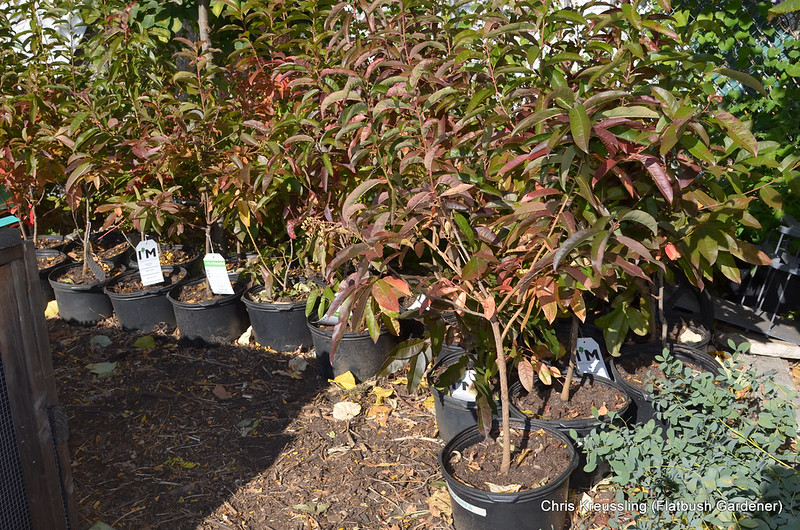
The annual New York Restoration Project Tree Giveaway starts in a month. This year, they're offering the largest variety of native tree, and some shrub, species I've seen yet.

Consider the mature size of each species. The larger trees will grow too large for most urban yards. I highlighted shrubs and smaller tree species that max out at no more than around 50' high and wide, without considering existing vegetation, outdoor structures, etc. Your conditions will vary!

Oxydendrum arboreum, Sourwood, Tree Giveaway, Compost for Brooklyn

2022-05-02

Sunday, May 22: Habitat Gardening Workshop for NYC Wildflower Week

2022-05-13 UPDATE: A second session is now available for Sunday, May 22, 12 noon to 2pm! Registration links below now point to the new event.
2022-05-09 UPDATE: Due to the rainy, windy, cold weather yesterday, we will be scheduling another session of this workshop for later this week, most likely for the afternoon of Friday, May 13th. Will update here when confirmed!
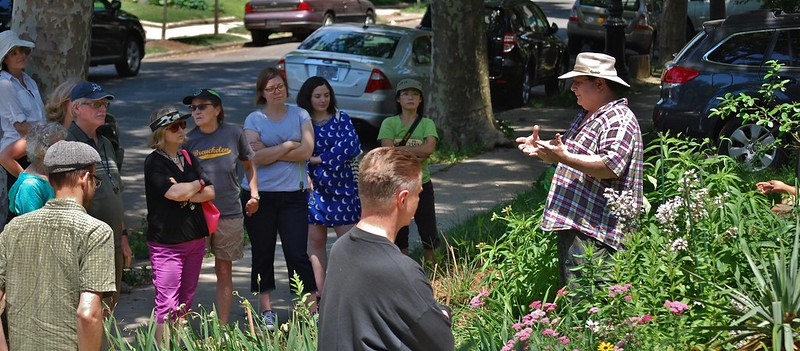
Me hosting the NYCWW Pollinator Week Safari in my Front Yard, June 2014. Photo: Alan Riback

Sunday, May 22nd 6th, I will be hosting and facilitating a workshop on gardening for habitat with native plants in my home garden. The workshop is from 12noon to 2pm. Space is limited, so please register at the Eventbrite link below.

Learn how to garden with native plants to create wildlife habitat, even in small urban gardens. In this interactive garden tour and workshop, Chris will use his garden to highlight the importance of native plants for sustaining urban wildlife, and how to create and maintain a garden for its ecological value. With nearly 200 NYC-native plant species, and over 400 documented insect visitors, you are sure to learn something new and find inspiration for improving habitat wherever you garden.

Presented by Chris Kreussling. Chris is an urban naturalist and advocate for urban habitat gardening with native plants. He has led numerous native plant and pollinator walks and workshops, for NYC Wildflower Week, Wave Hill, the High Line, and others. His garden is a registered habitat with the National Wildlife Federation, Xerces Pollinator Society, and other organizations. He’s documented this ongoing transformation on his gardening blog, Flatbush Gardener and on Twitter as @xrisfg.

- Eventbrite

Related Content

Insect Year in Review 2021, 2022-01-03
Hot Sheets Habitat, 2021-11-19
Documenting Insect-Plant Interactions, 2021-10-29
Presentation: Creating Urban Habitat, 2021-02-04
Home of the Wild, 2020-05-13
Pollinator Safari: Urban Insect Gardening with Native Plants, 2019-06-08
Charismatic Mesofauna, 2019-02-12
Pollinator Gardens, for Schools and Others, 2015-02-20
NYCWW Pollinator Safari of my Gardens, 2014-06-14

Links

Eventbrite registration page
NYC Wildflower Week

2022-04-25

City Nature Challenge 2022 - New York City

Botanizing along the Gowanus, May 2021

The annual City Nature Challenge (CNC) is this weekend, from Friday April 29 through Monday May 2. I put together a presentation on Slideshare with a brief overview of New York City's participation in CNC.

I'm one of the Brooklyn Borough Captains for the NYC Battle of the Boroughs, a friendly inter-borough competition among the boroughs to promote CNC participation across NYC. Following is a list of all the planned events and participating greenspaces in Brooklyn. You can also find this list on the Brooklyn CNC 2022 iNaturalist Project Journal.

2020-05-14

Home of the Wild

A month ago, Carrie Seltzer (@carrieseltzer) created the "Home Projects" iNaturalist Umbrella Project - a Project of Projects - for "personal" Projects of people's homes, gardens, or yards:
As we all more closely inspect our immediate surroundings as of April 2020, it seemed like a good time to pull together some projects that capture biodiversity in homes around the world.

- Carrie Seltzer on iNaturalist

Growth of a Garden

I've been gardening in New York City for four decades, over four different gardens. I've incorporated native plants in each garden, though my knowledge, understanding, and focus, has shifted and grown over time.
Bombus citrinus, lemon cuckoo bumble bee, on Helianthus in my front yard, August 2018

2020-05-11

Greater Celandine v. Celandine Poppy

2020-05-13: Added comparison of seedpods (easiest way to distinguish the two) and sap (not reliable).

I've been seeing a lot of misidentifications - or perhaps wishful ones - of the invasive Chelidonium majus, greater celandine as the Eastern U.S. native Stylophorum diphyllum, celandine poppy. Here is a visual guide for distinguishing them.

2020-05-06

Grief and Gardening: The Defiant Gardener

Rhododendron periclymenoides, pinxterbloom azalea, blooming in the backyard, May 2020

Normally, this time of year would be busy with garden tours, workshops, talks and lectures, plant swaps and sales. In past years, my garden has been on tour for NYC Wildflower Week. Two years ago I spoke at the Native Plants in the Landscape Conference in Millersville, Pennsylvania. Last June I hosted the most recent of my Pollinator Safaris in my garden.

I had multiple engagements planned for this Spring, and into the Summer. I was going to speak on a panel about pollinators in NYC. This past weekend would have been the 10th Anniversary of the Great Flatbush Plant Swap, of which I was one of the founders. I would have been doing hands-on workshops on gardening with native plants in community gardens.

This year there is none of that. The reason, of course, is the global pandemic, COVID-19, caused by the coronavirus known as SARS-CoV2.

As I write this, I have been working from home for 8 weeks. The same week I started working from home, the first death from COVID-19 was recorded in New York City. Now, less than 2 months later, nearly 20,000 are dead.


We still have 200 dying every day. This is not anywhere near "over".

The language and lessons of trauma - and recovery - are what we need to embrace right now.

2016-05-28

Eastern Native Groundcovers

2022-10-20: Please refer to the new, updated list.
I started to reply to a Facebook post and quickly realized I had enough content for a blog post.
Hello from Long Island NY..looking for suggestion for ground cover that won't eat my plants. I would like somthing a bit tamer the vinca . The area is slightly damp..part sun/part shade. Any suggestions. See posted pics! Thanks!!
The accompanying photos show a mix of young trees, shrubs, and perennials in a nice non-lawn streetside garden. The photos show a lot of sun, with some shade. The shade will increase over time as the trees and shrubs fill in.

Another commenter suggested Lamium and Galium, neither of which I would describe as "tame." Either can take over an area in the right conditions.

These are some of the Eastern North American species I've grown and can recommend as groundcover. Some of these prefer shade, some prefer sun. Most of these will spread by runners, stolons, and the like, as "true" groundcovers. Others are effective as groundcovers because of their habit and crown expansion over time.

2016-05-16

10th Blogiversary

10 years ago today, I wrote the first post of Flatbush Gardener, a reflection on my first garden in NYC, started in 1981 in the East Village. I don't think I can summarize all the changes I, and the gardens, have gone through over the past decade. Blogging itself is nearly a lost art, monetized and franchised, aggregated and amplified

Still, the gardens endure, transformed and transforming, embodying and expressing my evolution as a gardener.

The Back Yard
Backyard Over the Years

The Front Yard
Front Yard Over the Years

Related Content

Links

2016-05-09

Event: Sunday 5/15 NYCWW Tour of my Gardens

The Gardener's Nook this weekend
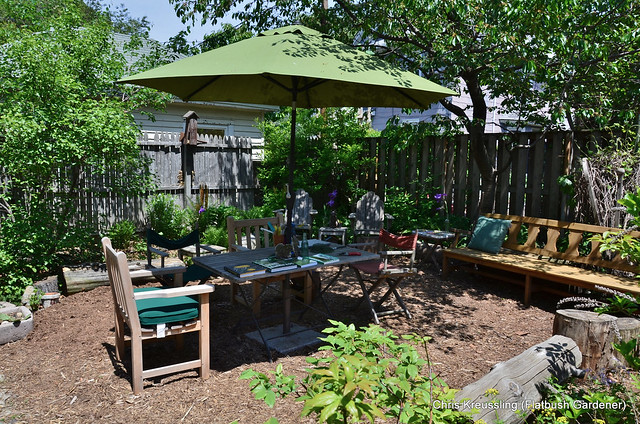
The Gardener's Nook, May 2016
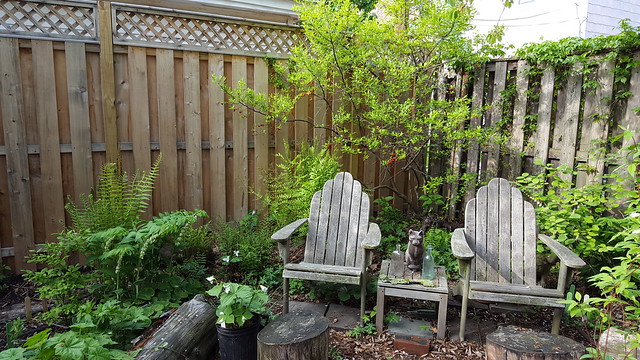
10 years ago, on May 16, 2006, I wrote the first post for this blog. To celebrate my 10th Blogiversary, on Sunday, May 15, I'm opening my garden for a tour with NYC Wildflower Week. The event is free, but registration is requested, as space is limited.

2015-05-21

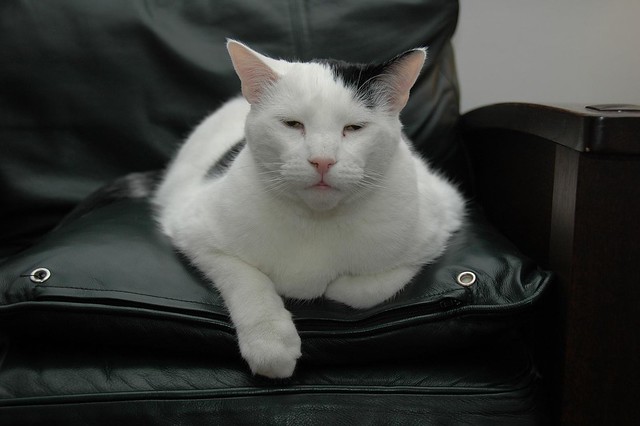
Ripley, 2000-2015

Our Ripley died with us around 1:30 this morning.

It's still the middle of the night. We had an 8am appointment with the vet for an ultrasound exam to find out what was going on. Instead, I'll be taking his body in for cremation.

I need to try to get at least a few more hours sleep. I needed to write something first.

We adopted him when he was almost 8 years old.
Ripley

2015-05-14

Native New Yorkers: My Garden's NYC-Native Plant Checklist

This is a checklist of just the plant species native to New York City I'm growing in my garden. I'm posting this for the benefit of anyone attending the NYC Wildflower Week tour of my garden, Friday, May 15, from 1-3pm. It may also be of interest to those who attended Tuesday night's meeting of the Long Island Botanical Society. I only had time during that talk - Place, Purpose, Plants: Urban Gardening with Native Plants - to highlight a handful of plants I'm growing.

Visitors are also going to get to witness a rare treat: "My little bees", Colletes thoracicus, are actively nest-building in the garden right now. Most years, they would be finished by now, not to be seen until April of the next year. If we're lucky, we will also get to see the Nomada sp. cuckoo bees I just noticed in my garden for the first time this year.

2015-05-13

Place, Purpose, Plants: Urban Gardening with Native Plants

At last night's meeting of the Long Island Botanical Society, I spoke about my experiences gardening with native plants in an urban setting. These slides accompanied my talk.


Related Content

All my blog posts about My Garden
Other Native Plants blog posts, resources, and references
My insect photography on Flickr

Links


Bennington, J Bret, 2003. New Observations on the Glacial Geomorphology of Long Island from a digital elevation model (DEM) (PDF). Long Island Geologists Conference, Stony Brook, New York, April 2003.

2015-05-09

Garden Deeper

I had a visceral (in a good way) reaction to Adrian Higgins' writeup of a visit, with Claudia West, to Shenk's Ferry Wildflower Preserve.

I think I'll adopt "ecological horticulturist" to describe my own approach to gardening. Whether you specialize in gardening with native plants, as I do, or prefer to grow plants from around the world, studying their native habitats is, in my experience, the best way to learn how to grow them in a garden.

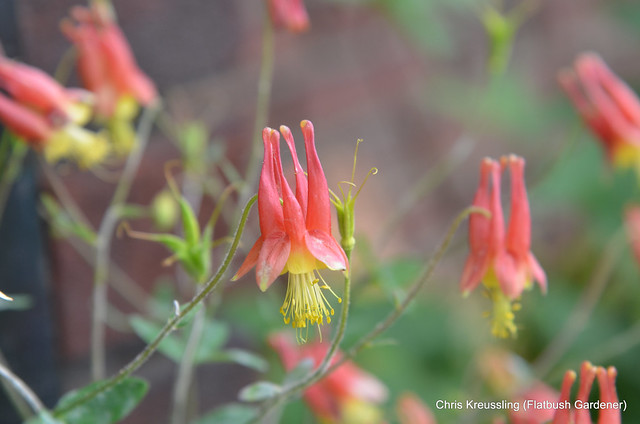
That doesn't mean you have to recreate the conditions exactly. In many cases, this is impossible, anyway. The native Aquilegia canadensis, eastern red columbine, thrives in the crumbling mortar of my front steps; this location recreates some aspects of the face of a limestone cliff where I saw, decades ago, a huge colony of them in full bloom.
Aquilegia canadensis, Eastern Red Columbine, growing out of my front steps, April 2012

This is why I'm trying to go on more botanical walks and hikes. Like many, if not most, gardeners, I've never seen most of the plants I grow in the wild. I visited Hempstead Plains for the first time in August 2013.
Hempstead Plains

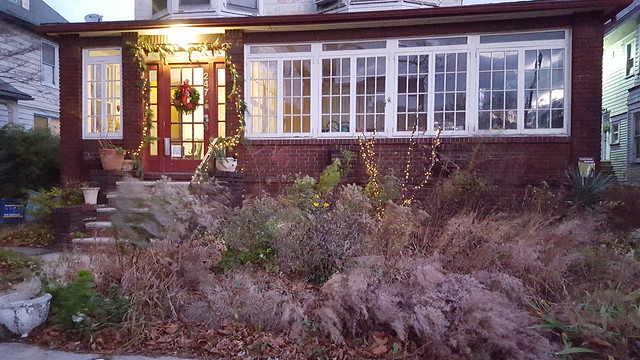
That inspired me last year to remove most of the remaining lawn in the front yard and approach it as a meadow, instead.
The Front Garden, before de-lawning, June 2014Weeding is Meditation: Removing the old "lawn" for the new short-grass "meadow" in the front yardFinal grading for the new front yard short-grass meadowThe berm, planted. Took 45 minutes, >2/min, including some rework for overly loose and linear spacing.


Schizachyrium scoparium, little bluestem (grass), in my front garden, November 2014

Rain gardens and rock gardens are both examples of creating gardens to grow plants requiring specific conditions, and to meet human needs. But we don't need to go to so much trouble. For all the "problem areas" in our gardens, there are plants that want nearly exactly those conditions. We need only think like a plant to see these as opportunities, and embrace the habitats waiting to emerge.

Related Content

Links

What you can learn from a walk through the woods (with Claudia West), Adrian Higgins, Washington Post Home & Garden

2015-05-03

Native Plant Profile: Adlumia fungosa, allegheny vine, climbing fumitory

A species new to me that I picked up at yesterday's plant sale for the Manhattan Chapter of the North American Rock Garden Society (MCNARGS). Since I don't know anything about it, I researched it to figure out what it wants and find a place for it in my garden.

Adlumia fungosa, climbing fumitory, scrambling into Clethra in the backyard in July 2015


Adlumia fungosa is a biennial vine in the Fumariaceae, the fumewort family, or Papaveraceae, poppy family, depending on the accepted taxonomy. It can grow up to 12 feet in length by scrambling over other plants and rocks in the moist, wooded slopes it requires. Common names include allegheny vine, climbing fumitory, and mountain fringe.

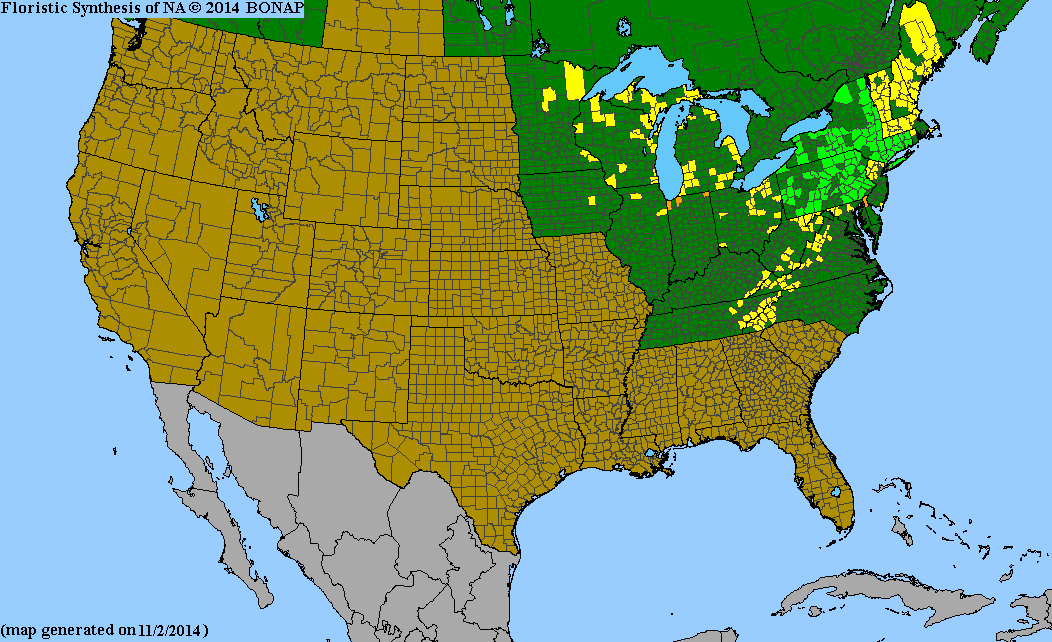
Its primary native range is New England and northeastern United States. Following the mountains, its range extends as far south and west as Tennessee and North Carolina. It's also found in scattered counties as far west as Minnesota and Iowa.

Biota of North America Program (BONAP) floristic synthesis county-level distribution map for Adlumia fungosa. In this map, yellow and light green highlights counties where specimens have been recorded. Dark green shows state-/province-level nativity.


Although not native to New York City, it is native to adjacent and nearby counties in NY, New Jersey, and Connecticut. The New York Flora Association (NYFA) Atlas lists its endangered/threatened status as as S4: Apparently secure in New York State. Other sources, including the New England Wildflower Society (NEWFS), list it as threatened or endangered throughout its range.

I'm going to try this plant on the north side of my garage. That area is consistently moist from runoff from the garage roof. There's no slope there, but it's densely planted with shrubs and perennials, so this plant should have lots to scramble over. If it's really happy, there's also the nearby arbor.

Related Content

Links

2015-04-02

This Season's Schedule

Lots of native plant events from April to June which I hope to attend. And I'll be speaking, hosting, or tabling at three of them.

Me in my front yard last year, hosting a NYC Wildflower Week Pollinator Safari during Pollinator Week 2014. Photo: Alan Riback.

2014-05-19

Off-Topic: Vows

Two years ago, on May 19, 2012, I married my husband, John. These were my vows:
John:

I don’t know what I can say to you that I’ve not already said.

In front of family, friends, neighbors, and community, I can say this:

Today is not a beginning – We began many years ago.

Today is not an ending – There is much more for us to explore together.

I am grateful, that having moved apart, our separate journeys prepared us to come together again, and see each other with new eyes.

I love you, more than I could have imagined I would ever love anyone.

Today is a milestone on the path.

I want always to travel that path with you.
"We began many years ago"
John and I first met nearly 30 years ago at one of the then-many, now long-gone, gay bars in the East Village.
"having moved apart"
Somewhere explained in an earlier blog post. I moved from the East Village to Brooklyn
"our separate journeys"
Both John and I have spoken publicly about being in recovery. Speaking for myself, I needed a lot of work.
We've been "together" for 17 years or so. (John keeps track of these things.) We've been living together for 14 years. A few years ago, as the possibility of legal marriage in New York state seemed increasingly likely, I "pre-proposed" to John. I told him that, if and when it became legal in our home state, I would propose to him. He initially objected, "What if I want to propose to you?!"

In the Summer of 2011, marriage equality became law in New York state. The next day, we had a voice message from a couple of our straight neighbors: "When's the wedding?!" All the pressure to marry came from straight friends and neighbors.

In the Fall of 2011, I ambushed John with a "surprise engagement." I secretly gathered family and friends, and proposed to John on our second floor porch. We shared dinner after at a nearby restaurant.

Many years ago, when our partnership had not yet been secured, I vowed to John: "I commit to exploring relationship with you." I maintain that vow.

Related Content

Bees, a Mockingbird, and Marriage Equality, 2009-05-22
David Joseph Wilcox, 1957-1996, 2008-01-22

Links

Wikipedia: Marriage Equality Act (New York)

2014-05-10

What's Blooming

Updated 2014-05-11: At the request of one of my readers, I started adding photos of the flowers.
Retracted Erythronium; I checked, and its petals have fallen. Hoping for seedset; I have plenty of ants to disperse them!

My backyard native plant garden is bursting with blooms right now. This is probably the peak bloom for the year. It happens to coincide with NYC Wildflower Week, which started today and runs through Sunday, May 18.

I will double-check this list tomorrow, but I think this is what I've got blooming:
  1. Anemonella thalictroides
  2. Aquilegia canadensis, Eastern Red Columbine, Canadian Columbine
  3. Asarum canadense, Wild Ginger
  4. Carex, Sedge
  5. Claytonia virginica, Spring Beauty
  6. Cornus sericea 'Cardinal', Red-Twig Dogwood
  7. Dicentra eximia
  8. Fothergilla gardenii
  9. Fragaria virginiana, Wild Strawberry
  10. Geranium maculatum, Spotted Geranium
  11. Mertensia virginiana, Virginia Bluebells
  12. Phlox stolonifera, Creeping Phlox
  13. Photinia pyrifolia (Aronia arbutifolia) 'Brilliantissima', Red Chokeberry
  14. Polemonium reptans, Jacob's Ladder
  15. Polygonatum biflorum, Solomon's Seal
  16. Podophyllum peltatum, Mayapple
  17. Stylophorum diphyllum, Celandine Poppy
  18. Vaccinium angustifolium, Lowbush Blueberry
  19. Vaccinium corymbosum, Highbush Blueberry
  20. Viola, white-flowering and "vigorously" self-seeding, either V. canadensis or V. striata
  21. Viola sororia, Dooryard Violet, the common "weed" of gardens
  22. Trillium, unsure of species
  23. Tiarella cordifolia, Foamflower
Not all of these photos were taken this weekend, but here are some of the flowers appearing in my backyard.

Aquilegia canadensis, Eastern red columbineAsarum canadense, Wild GingerClaytonia virginica blooming in my urban backyard native plant gardenDicentra eximia 'Aurora'Phlox stolonifera

2013-05-28

Magicicada Brood II

UPDATED: Expanded and organized into topics.

Contents

Magicicada in Staten Island's Clove Lakes Park

Yesterday, Matthew Wills and I traveled to Staten Island in search of Magicicada, the periodical cicada, specifically, Brood II. We both had examined the online reports and articles; although the south shore of Staten Island is their stronghold, Cloves Lake Park - not that far from the ferry terminal - kept turning up as one of the places they'd been sighted. As a bonus, I had the car, and this park was closest to the Verrazano narrows bridge.

2012-05-15

Patent Lies: What's "Native"? And What's Not.

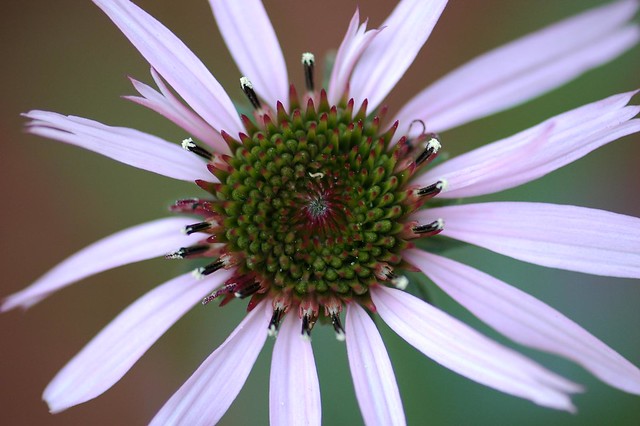
Echinacea pallida, Pale Coneflower, growing in my urban backyard native plant garden.
Echinacea pallida, Pale Coneflower

I was appalled to see the National Wildlife Federation publish on their Web site, without qualification or counter-point, a press piece by the "Brand Manager for American Beauties Native Plants." (Appalled, but unfortunately, not shocked, given NWF's mishandling of their Monsanto-Scotts-MiracleGro sell-out, and their ham-handed retraction only in the face of public outrage and opposition.)

The Brand Manager's puff piece includes this statement:
At American Beauties Native Plants, we take a slightly broader view in our definition of native plants–we include cultivars. A cultivar is a plant that has been selected and cultivated because of some unique quality, such as disease resistance, cold hardiness, height, flower form or color. Sometimes interesting varieties are found in nature and brought into cultivation making them cultivated varieties or cultivars. In my years as a research horticulturist I observed pollinators, birds and other wildlife interacting freely with cultivated plants.
This paragraph is immediately followed by a photograph of "[Echinacea] ‘Tiki Torch’ is a hybrid of Echinacea paradoxa and a cultivar of Echinacea purpurea."

A cultivar is a vegetatively propagated selection - a clone - of an individual from a population. But a hybrid is not a cultivar. More than that, 'Tiki Torch' is a patented plant. By definition, anything that is patented must be man-made, NOT natural, not native. One cannot obtain a patent on something that occurs naturally in the wild, even if you select it, propagate, and promote it as a cultivar. American Beauties greenwashing "native" with so broad a brush that they include patented plants is deceptive marketing. NWF blindly supporting such an association by publishing it unchallenged on their Web site is, at best, cluelessness.

In my urban backyard native plant garden, I grow plants from a range of sources, including cultivars, unnamed straight species of unknown geographic origins, and - my most-prized specimens - local ecotypes propagated by the Greenbelt Native Plant Center from wild populations in and around New York City. I also grow in container a beautiful specimen of the patented Heuchera 'Caramel' in this (otherwise) native plant garden. I use it to illustrate what is NOT native.

Related Content

Greenbelt Native Plant Center
Native Plants

Links

What Is a Native Plant?, Peggy Anne Montgomery, Brand Manager for American Beauties Native Plants, National Wildlife Federation

2011-04-01

Upcoming Events for Brooklyn Gardeners

Saturday, April 16

Rain Barrel Giveaway, NYC DEP
9:00 am – 2:00 pm
Marine Park Parking Lot
Avenue U

Millions Trees NYC Tree Giveaway
11:00 a.m. – 1:00 p.m.
Green-Wood Cemetery
500 25th St, Brooklyn
100 TREES

2nd Annual Great Flatbush Plant Swap
12noon to 3pm
Flatbush Food CoOp
1415 Cortelyou Road, Brooklyn
Sponsored by Sustainable Flatbush and the Flatbush Food Coop

Sunday, April 17

4th Annual Sustainable Flatbush Spring Street Tree Walking Tour
11am & 12noon

Sunday, April 23

Millions Trees NYC Tree Giveaway
1:00 p.m. – 3:00 p.m.
Bedford Stuyvesant Restoration Corporation, Restoration Plaza
1368 Fulton St, Brooklyn

Sunday, May 1

Millions Trees NYC Tree Giveaway
Grand Street Campus
10:00 a.m. – noon
850 Grand Street, Brooklyn

Friday, May 6, through Sunday, May 15

NYC Wildflower Week
Events city-wide

Saturday, May 7

Millions Trees NYC Tree Giveaway
Neighborhood Housing Services of East Flatbush
noon – 2:00 p.m.
Holy Cross Church School Yard
2530 Church Ave., Brooklyn

Sunday, May 15

My garden will be on tour for NYC Wildflower Week!

Saturday, June 4

Millions Trees NYC Tree Giveaway
Cypress Hills Local Development Corporation
11:00 a.m. – 1:00 p.m.
Blessed Sacrament Church
198 Euclid Avenue, Brooklyn